
Equipment and Finishes Protected After Installation
Automatic Pool Cleaner Care & Remodel Aftercare in Chelsea Park for homeowners maintaining robotic cleaners and newly resurfaced pool interiors
Strict water chemistry management during plaster and finish curing periods protects newly resurfaced or refinished pool interiors from staining, mottling, and premature deterioration that occurs when pH, alkalinity, or calcium hardness drift outside the narrow ranges fresh surfaces require. Automatic pool cleaner care from Splendid Dolphin Pool Co. includes repair and rebuild services for Polaris systems and other pressure-side or robotic cleaners in Chelsea Park, maintaining the equipment that removes debris efficiently and prevents organic buildup that leads to staining and algae growth. Remodel aftercare services address the specialized maintenance newly finished pools demand, protecting recent renovation investments by managing chemistry with precision during the critical first weeks after resurfacing.
Cleaner repair involves inspecting drive belts, wheels, brushes, filters, and pressure lines on Polaris and similar systems, replacing worn components that reduce cleaning efficiency, and verifying proper movement patterns that ensure complete pool floor and wall coverage. Remodel aftercare focuses on daily testing, frequent brushing to prevent soft plaster from bonding with loose particles, and careful chemical adjustments that avoid aggressive conditions while the new finish cures and hardens over the first 28 days.
Schedule cleaner repairs to restore efficient debris removal and protect newly finished surfaces from avoidable damage.
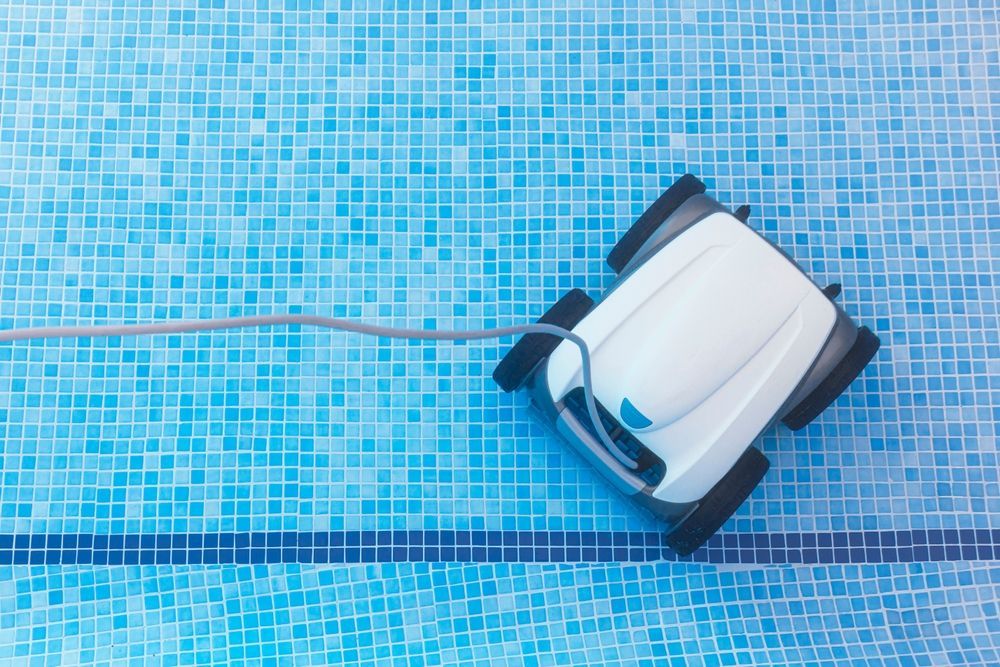
What Specialized Equipment Care Involves
Automatic pool cleaners depend on functional drive mechanisms, intact debris bags or filters, and proper suction or pressure flow to remove dirt, leaves, and sediment before they settle and stain pool surfaces. When wheels crack, belts slip, or internal filters clog, cleaners lose coverage area, miss sections of the pool floor, or stop moving entirely, leaving debris to accumulate and organic matter to decompose into stains that require acid washing or aggressive brushing to remove. Rebuild services replace these components, restoring the cleaner's ability to maintain consistent circulation and debris removal between service visits.
You notice cleaner movement that covers the entire pool floor and walls systematically, debris collection that keeps surfaces free of leaves and sediment, and reduced manual brushing required to prevent staining or algae establishment in corners and crevices the cleaner reaches reliably. After remodel work, water remains balanced within the tight pH, alkalinity, and calcium ranges that allow plaster to cure properly, preventing the calcium loss, staining, or rough texture that develops when aggressive chemistry etches fresh surfaces before they harden completely.
Remodel aftercare includes daily brushing during the first two weeks, multiple water tests each week to catch chemistry shifts quickly, and adjustments using products that won't shock delicate finishes or introduce metals that cause discoloration. This preventative maintenance helps homeowners protect the appearance and longevity of their newly resurfaced pools, avoiding costly corrections that become necessary when early-stage care falls short.
What Property Owners Usually Ask
Cleaner maintenance and post-remodel care address both the advanced equipment that automates pool cleaning and the specialized chemistry management that protects new finishes during their most vulnerable period.
How often do Polaris cleaners need rebuild service?
Depending on runtime and debris load, most pressure-side cleaners benefit from inspection and component replacement every one to two years, with belts, wheels, and tail sweeps being the parts most commonly replaced to maintain efficient movement and debris pickup.
What makes remodel aftercare different from regular maintenance?
Newly applied plaster or aggregate finishes require tightly controlled pH, alkalinity, and calcium levels to cure properly, with aggressive chemistry or neglect during the first month causing permanent staining, rough texture, or calcium loss that undermines the finish's appearance and durability.
Why do pool cleaners sometimes stop moving?
Drive belt wear, wheel cracks, clogged intake throats, and debris bag tears all interrupt cleaner operation, requiring inspection to identify which component failed and replacement to restore coverage and debris removal effectiveness.
How long does plaster curing take after resurfacing?
Most finishes require 28 days to achieve full hardness, during which daily brushing, frequent testing, and careful chemical management prevent the defects that develop when surfaces interact with unbalanced water before they cure completely.
Can automatic cleaners damage new pool finishes?
When properly maintained, cleaners do not harm cured finishes, but running cleaners on fresh plaster before the surface hardens or using cleaners with worn wheels that expose metal components can scratch or mar delicate surfaces during the early curing period.
Splendid Dolphin Pool Co. offers specialized solutions for automatic cleaner repair and post-remodel maintenance plans in Chelsea Park, protecting both advanced equipment investments and newly refinished pool surfaces. Establish a post-remodel maintenance schedule to safeguard your pool's appearance and long-term finish quality.