
Systems That Keep Pools Soft and Sanitized
Saltwater Pool Services in Chelsea Park for homeowners relying on consistent salt cell performance and balanced chlorine generation
Splendid Dolphin Pool Co. provides saltwater pool services in Chelsea Park that address the unique maintenance demands of salt chlorinator systems, including routine salt level testing, cell cleaning, system diagnostics, and ongoing chemical adjustments. Salt cell performance deteriorates when calcium deposits obstruct electrode plates or when salt concentration drifts outside the 2700-3400 ppm range most generators require, reducing sanitizer output and leaving water vulnerable to algae growth. Regular inspections catch these problems before they escalate into equipment failure or unsafe swimming conditions.
The service focuses on salt system inspections that verify generator output, test salt concentration, clean cell housings to remove scale buildup, and balance pH levels that tend to rise in saltwater pools due to the electrolytic process. During periods of heavy pool usage and extreme Texas heat, salt cells work harder to maintain adequate sanitizer levels, making routine monitoring essential to prevent cloudy water or inadequate disinfection. Many homeowners prefer the softer swimming experience saltwater systems deliver compared to traditional chlorine pools, but only when the system operates within its designed parameters.
Schedule a salt system inspection to evaluate cell condition and confirm proper sanitizer production.
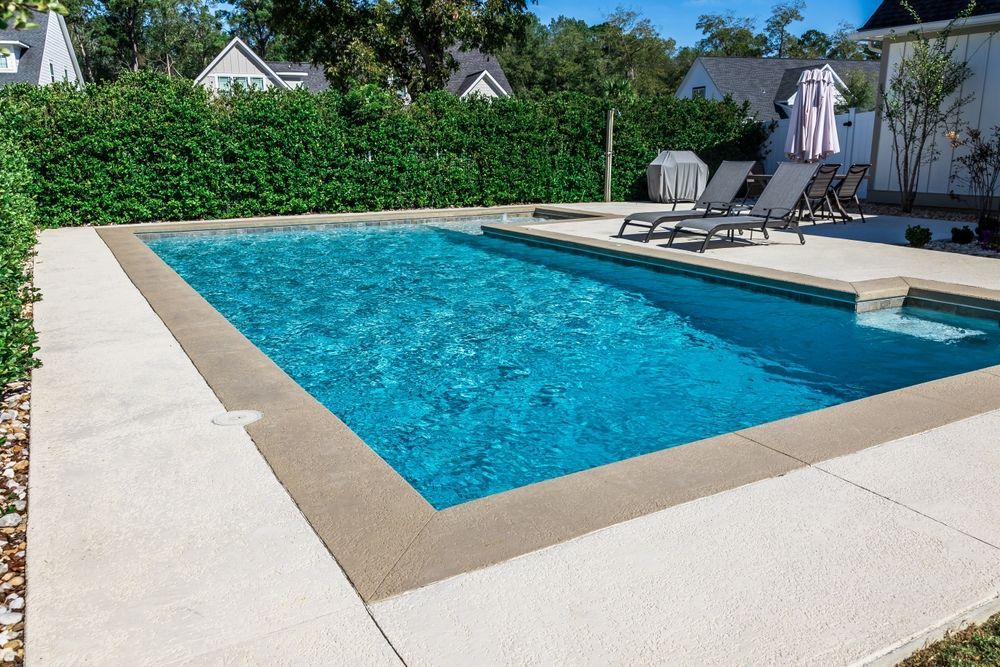
What Routine Salt System Maintenance Prevents
Salt cells require periodic acid cleaning to dissolve calcium and mineral deposits that form on electrode plates, especially in areas with hard water or when calcium hardness exceeds 400 ppm. Without this cleaning, current flow decreases, chlorine production drops, and the system compensates by running longer cycles that accelerate wear on internal components. Testing salt concentration every visit ensures the generator receives the mineral content it needs to produce chlorine efficiently without overworking the power supply or control board.
You notice water that stays clear between visits, balanced pH readings that require fewer manual adjustments, and equipment that operates quietly without error codes or low-production warnings flashing on the control panel. The cell continues generating sanitizer at the rate your pool demands, and metal components in the pool and nearby equipment remain free of the corrosion that develops when salinity climbs too high or when pH drifts into alkaline ranges for extended periods.
The service includes stabilizer management to protect chlorine from ultraviolet degradation, algae prevention treatments during warm months when sanitizer demand peaks, and diagnostics that identify flow sensor failures, wiring issues, or control board malfunctions before they halt chlorine generation completely. These steps maintain the efficiency and longevity that make saltwater systems a preferred option for many residential pool owners.
What Homeowners Usually Ask
Salt system maintenance addresses both the equipment that generates chlorine and the water chemistry that determines how effectively that chlorine sanitizes your pool, protecting swimmers and preserving the softer water quality homeowners expect from these advanced systems.
How often does the salt cell need cleaning?
Most salt cells require inspection every three to six months, with acid cleaning performed when visual inspection reveals scale buildup on the electrode plates or when output drops below the level needed to maintain residual chlorine between 1 and 3 ppm.
What causes salt systems to stop producing chlorine?
Flow sensor failures, low salt concentration, clogged cells, expired cells that have exceeded their lifespan, and control board malfunctions all interrupt chlorine generation, making routine diagnostics essential for catching issues before they leave your pool unsanitized.
Why does pH rise faster in saltwater pools?
The electrolytic process that converts salt into chlorine naturally increases pH, requiring more frequent testing and acid additions to keep levels within the 7.4-7.6 range that prevents scale formation and maintains swimmer comfort.
How long do salt cells last before replacement?
Depending on usage hours, water chemistry, and maintenance consistency, most salt cells function effectively for three to five years before electrode deterioration reduces chlorine output below acceptable levels and replacement becomes necessary.
Can salt systems damage pool equipment or finishes?
When salt concentration exceeds manufacturer recommendations or when proper bonding is absent, corrosion accelerates on metal fixtures, heater elements, and adjacent equipment, making accurate salt level management critical for protecting your pool investment.
Splendid Dolphin Pool Co. provides ongoing maintenance programs designed for homeowners in Chelsea Park seeking specialized care for saltwater pool systems. Arrange recurring salt system service to maintain cell performance and balanced water chemistry year-round.