
Comfortable Water Temperatures When You Need Them
Pool Heater Repair & Installation in Dallas-Fort Worth Metroplex for systems with ignition failures, inconsistent heating, or complete operational shutdown
Heater malfunctions prevent comfortable swimming during cooler months and make spa features unusable when temperatures drop below body-heat levels. Gas heaters, electric resistance heaters, and heat pump systems fail through different mechanisms, requiring targeted diagnostics that identify whether ignition components, thermostats, or heat exchanger damage causes performance problems. Splendid Dolphin Pool Co. provides heater repair and installation services throughout the Dallas-Fort Worth Metroplex for families preparing to extend swimming seasons or restore spa functionality lost to equipment age and component wear.
Repair service begins with testing ignition sequences, inspecting burner assemblies for corrosion or blockages, verifying thermostat accuracy, and examining heat exchanger surfaces for scale buildup that restricts heat transfer efficiency. Common failures include pilot lights that won't stay lit due to faulty thermocouples, control boards damaged by electrical surges, and clogged burners preventing proper flame distribution across heat exchanger surfaces.
Schedule heater diagnostics before fall and spring seasons when families increase pool use for outdoor entertaining and extended swimming.
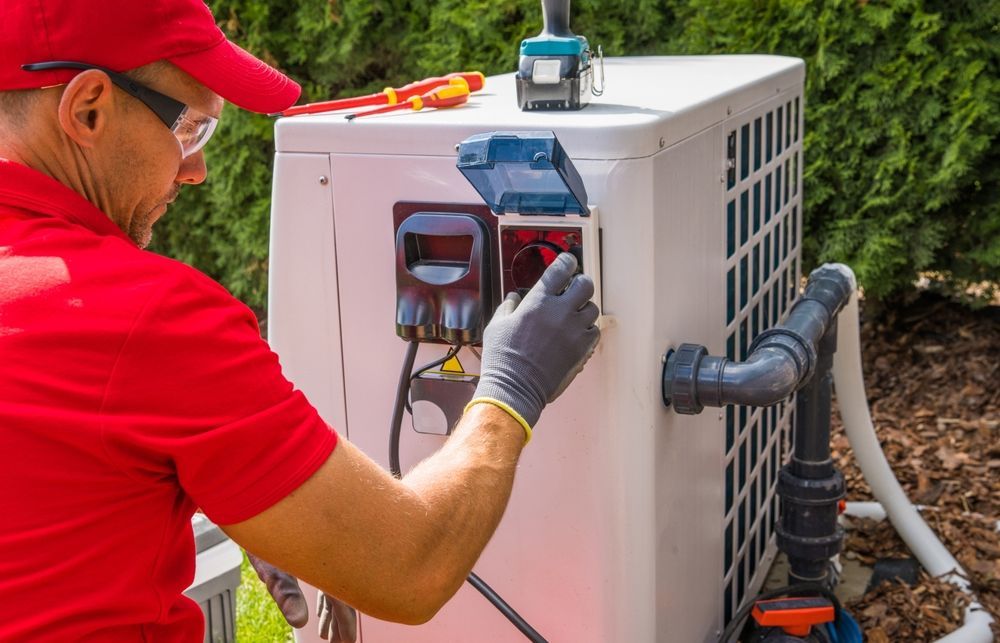
What Functioning Heaters Actually Accomplish
Heaters raise water temperature by transferring thermal energy from gas combustion, electric resistance coils, or refrigerant heat exchange into circulating pool water. Gas heaters deliver rapid temperature increases suitable for occasional use and spa heating, while heat pumps operate efficiently during sustained heating periods but require ambient air temperatures above 50 degrees to function effectively in Dallas-Fort Worth climate conditions.
After heater repairs restore function, water reaches and maintains programmed temperature settings without the cycling on-and-off patterns indicating thermostat or ignition problems, spa features heat to comfortable levels within expected timeframes based on heater BTU output, and systems operate without the rumbling or whistling sounds that signal combustion chamber issues or restricted gas flow affecting burner performance.
Heater installation includes equipment sizing calculations based on pool volume, desired temperature rise, and usage patterns. Upgrading from older atmospheric gas heaters to modern induced-draft models improves energy efficiency by 15 to 20 percent while meeting current Dallas-Fort Worth building codes for outdoor combustion appliance installations requiring sealed combustion chambers and automatic safety shutoffs.
What Pool Owners Usually Ask
Homeowners considering heater service ask about equipment lifespan expectations, energy cost differences between heater types, and optimal timing for system replacements versus continued repairs.
What prevents gas heaters from igniting properly?
Faulty thermocouples that fail to detect pilot flame presence, clogged pilot orifices restricting gas flow, damaged ignition control modules, or inadequate gas pressure reaching heater manifolds all prevent reliable ignition—systematic testing identifies which component failures require replacement to restore dependable startup sequences.
How do heat pumps compare to gas heaters?
Heat pumps extract thermal energy from ambient air and transfer it to pool water using refrigerant cycles, delivering three to five times more heat energy per dollar of electricity consumed compared to electric resistance heaters, but they operate slowly and lose efficiency when air temperatures drop below 50 degrees—gas heaters cost more per BTU but heat water quickly regardless of weather conditions.
Why do heat exchangers develop leaks?
Corrosion caused by unbalanced water chemistry gradually eats through copper or cupro-nickel heat exchanger tubes, while thermal stress from repeated heating cycles cracks tube joints and header connections—chemically aggressive water with low pH or high chlorine concentrations accelerates corrosion, often destroying heat exchangers within five to seven years when chemistry stays persistently imbalanced.
When does heater replacement make more sense than repairs?
Heat exchangers showing pinhole leaks or tube corrosion, control systems requiring multiple component replacements within one season, or units exceeding twelve years of operation with declining efficiency typically warrant replacement rather than continued repair investments—modern heaters include digital controls and improved combustion efficiency that reduce operating costs compared to older atmospheric designs.
What maintenance extends heater lifespan in Dallas-Fort Worth?
Annual inspections addressing burner cleanliness, ignition system function, and heat exchanger scale removal prevent many common failures, while maintaining balanced water chemistry prevents corrosive conditions that destroy heat exchangers prematurely—covering heaters during extended non-use periods protects control components from weather exposure and insect intrusion that damages electronic boards and clogs pilot assemblies.
Splendid Dolphin Pool Co. installs and services all residential pool heater types across the Dallas-Fort Worth Metroplex. Call (214) 662-6924 to arrange heater service before cooler temperatures limit comfortable swimming and spa enjoyment.