
Pools Built for Simpler Chemical Management
Saltwater Conversions & Upgrades in Chelsea Park for homeowners seeking reduced chemical handling and softer-feeling pool water
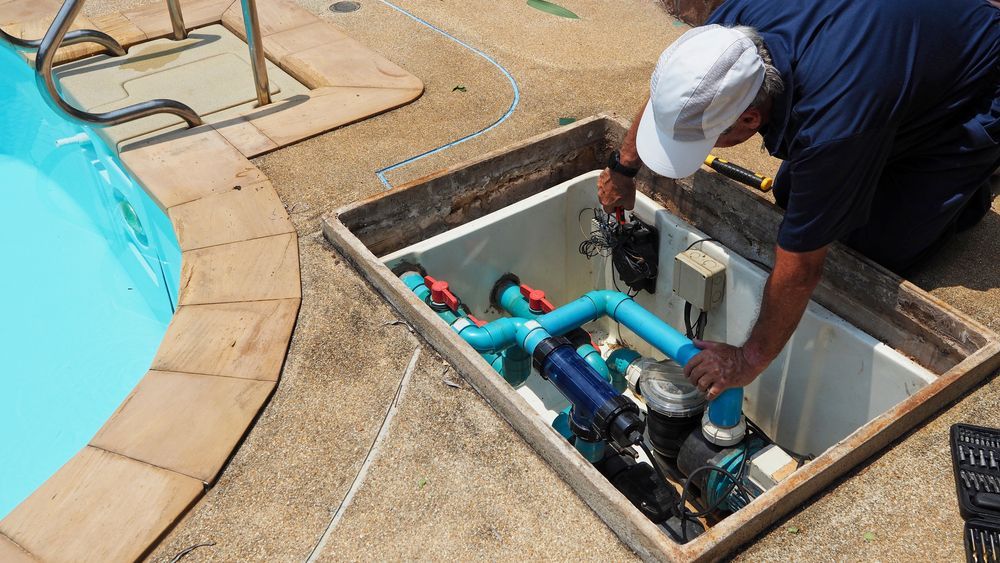
Converting from traditional chlorine systems to modern saltwater pool technology reduces manual chemical handling, produces water that feels softer on skin and eyes, and simplifies ongoing maintenance routines by automating chlorine generation through electrolysis. Homeowners in Chelsea Park interested in minimizing strong chlorine odors, eye irritation, and the need to store and handle concentrated sanitizers find saltwater conversions address these concerns while maintaining the disinfection standards required for safe swimming. Splendid Dolphin Pool Co. evaluates existing equipment compatibility before recommending conversion solutions, ensuring pumps, filters, heaters, and control systems can support the salt chlorinator without requiring additional upgrades.
The conversion process involves installing a salt chlorine generator sized to your pool volume, adding pool-grade salt to reach the 2700-3400 ppm concentration most systems require, verifying proper bonding to prevent galvanic corrosion, and adjusting water chemistry to accommodate the pH rise that electrolytic chlorine production naturally causes. Evaluation of plumbing, electrical capacity, and existing automation determines whether your current infrastructure supports the new system or requires modifications to deliver reliable operation and long-term efficiency.
Request a consultation to review your pool configuration and discuss saltwater conversion options tailored to your equipment and usage patterns.
What Changes After Saltwater Conversion Completes
Saltwater systems generate chlorine continuously from dissolved salt using an electrolytic cell, eliminating the need to purchase, store, and manually add liquid or tablet chlorine to maintain sanitizer levels. The water takes on a noticeably softer feel compared to traditionally chlorinated pools because salt concentration remains far below the threshold where swimmers detect salinity, while the steady, automated chlorine production prevents the peaks and valleys in sanitizer levels that occur with manual dosing.
You notice reduced skin dryness and eye irritation, no chlorine odor associated with chloramine buildup from inconsistent sanitizer levels, and simplified maintenance routines that involve monitoring salt concentration and cleaning the generator cell rather than handling buckets of liquid chlorine or dissolving tablets in skimmers. The system continues producing the chlorine your pool requires as long as salt levels stay within range and the cell remains free of mineral scale that obstructs electrode function.
Saltwater conversions include equipment upgrade solutions designed to improve efficiency and long-term system reliability, but homeowners must understand that these systems still require routine water testing, pH management, and periodic cell cleaning to maintain proper sanitizer production. The conversion represents a long-term comfort and convenience upgrade, not an elimination of all pool maintenance responsibilities.
Common Questions About This Service
Homeowners considering saltwater conversions often want clarity on the process, the equipment involved, and how the change affects their ongoing pool care responsibilities and long-term operating costs.
What does saltwater conversion involve?
The process includes installing a salt chlorine generator matched to your pool size, adding pool-grade salt to achieve proper concentration, verifying electrical connections and bonding, and adjusting initial water chemistry to support the electrolytic chlorine generation process.
How does saltwater affect existing pool equipment?
Salt increases conductivity, which can accelerate corrosion on metal components, heater elements, and fixtures if concentration exceeds recommendations or if proper bonding is absent, making equipment evaluation essential before conversion.
Will I still need to add chemicals after converting?
Saltwater systems automate chlorine production but require ongoing pH management because electrolysis raises pH, plus periodic additions of stabilizer, calcium, and alkalinity adjusters to maintain balanced water chemistry that protects equipment and swimmer comfort.
How much does salt cost to maintain the system?
Salt is inexpensive and added only to replace losses from backwashing, splash-out, and overflow, typically requiring one or two bags per season rather than the weekly chlorine purchases traditional systems demand.
Can any pool be converted to saltwater?
Most residential pools accommodate saltwater systems, but evaluation of plumbing materials, heater compatibility, and electrical capacity determines whether upgrades are necessary to support the generator and prevent accelerated corrosion or equipment damage.
Splendid Dolphin Pool Co. provides conversion evaluations that assess your current equipment, discuss compatibility requirements, and outline the steps involved in transitioning to saltwater pool technology. Schedule an equipment assessment to determine whether saltwater conversion suits your pool and maintenance preferences.